
Top Tips for Creative Video Productions
Creative video production succeeds when strategy, storytelling, and execution work together from the start. High-performing videos are not accidental—they follow a clear creative process that aligns brand goals, audience intent, and production realities. In professional environments, creativity comes from planning smarter, not improvising more. Teams that treat video production as a structured creative discipline consistently produce more engaging, memorable results.
For brands investing in professional video production services, creative clarity at the beginning determines everything that follows—from shoot efficiency to final impact.
Tip 1: Start With a Clear Creative Strategy Before Any Camera Rolls
The most creative video productions begin with a defined strategy, not equipment or locations. A strong creative strategy answers why the video exists, who it serves, and what action it should drive. Without this clarity, even well-shot videos fail to connect.
Professionals define the message, tone, and emotional outcome before scripting or storyboarding. This prevents scattered visuals, bloated edits, and unclear narratives. In real production workflows, a clear creative strategy reduces revisions, speeds up decision-making, and keeps every scene aligned with the original intent.
A focused strategy also ensures that creativity supports business goals rather than distracting from them.
Tip 2: Build the Concept Around a Single Core Idea, Not Multiple Messages
Creative video concepts perform best when they focus on one clear idea, not several competing messages. Audiences remember simplicity. When a video tries to communicate too much, creativity gets diluted and engagement drops.
Professionals begin concept development by isolating a single takeaway the viewer should remember after watching. This early alignment shapes the entire video production workflow, ensuring that scripting, visuals, and pacing all serve the same creative purpose. It also prevents unnecessary scenes that increase production time without improving impact.
In real-world productions, teams often feel pressure to add last-minute ideas. Strong concept discipline protects the original vision and keeps execution efficient. The most effective creative videos feel intentional because nothing on screen competes for attention.
This approach allows creativity to stay focused while still supporting visual innovation.
Tip 3: Lock Pre-Production Planning Before You Think About Filming
Creative video production becomes efficient and scalable when pre-production planning decisions are finalized early. Professionals avoid improvisation during shoots because it increases costs and weakens creative control. Instead, they lock storyboards, shot lists, locations, and timelines before any camera is powered on.
Strong video production planning allows teams to anticipate creative challenges rather than react to them. When roles, sequences, and deliverables are defined in advance, on-set creativity improves instead of suffering. This discipline follows proven video production best practices, especially for branded and commercial videos where timelines are tight and stakeholders are involved.
A structured planning phase also reduces revision cycles in post-production. When the plan is clear, every creative decision during filming has a purpose and a measurable outcome.
Tip 4: Direct the Shoot With Creative Intent, Not Just Technical Precision
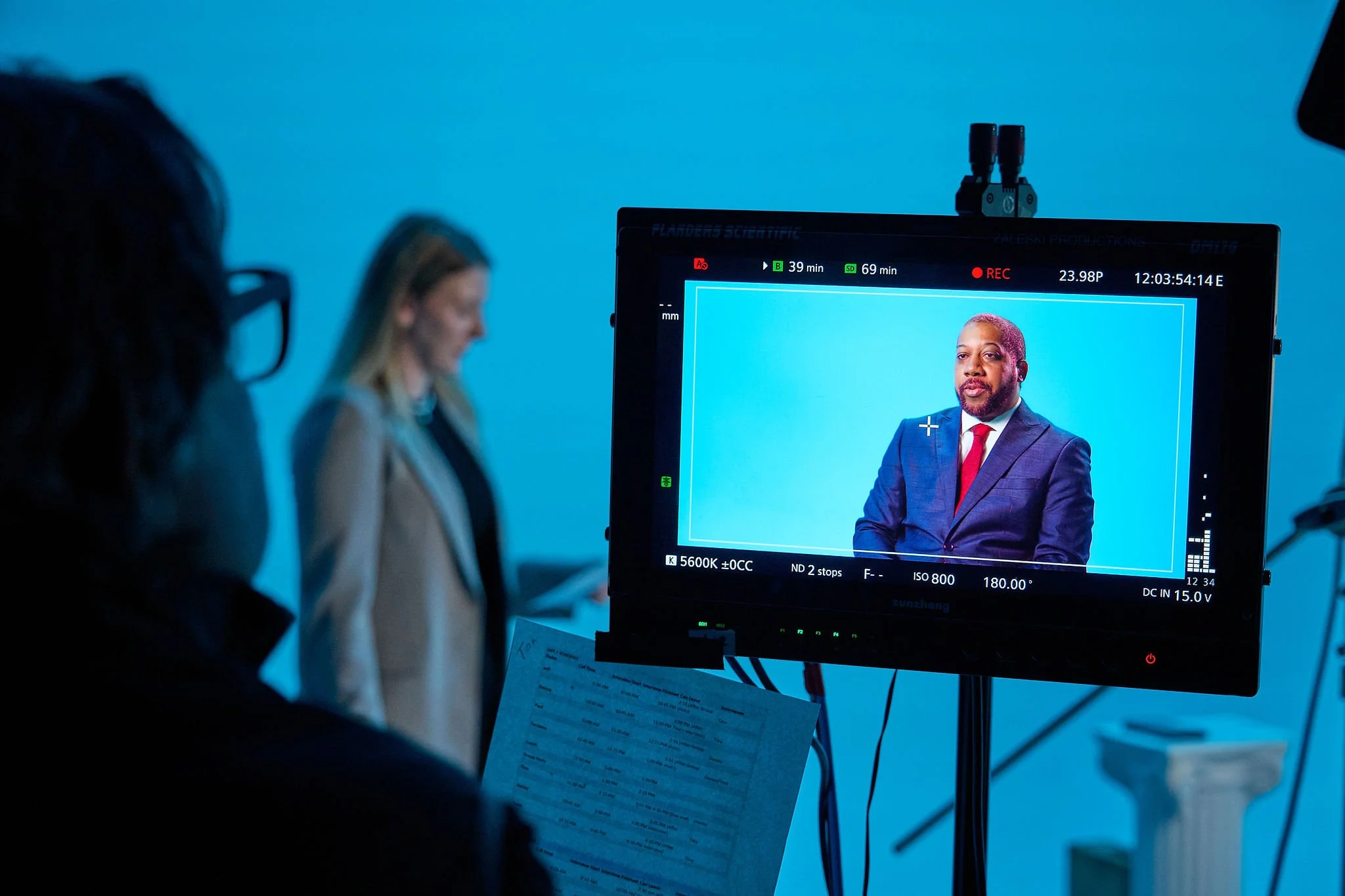
Creative results on set come from creative filming techniques guided by intent, not from equipment alone. Professionals treat filming as a controlled creative environment where every camera move, frame, and performance choice supports the core idea. This mindset prevents random shots that look good but add no narrative value.
Strong on-set execution starts with clear direction. Directors communicate the emotional purpose of each scene before rolling, ensuring talent and crew align on tone and pacing. This approach improves efficiency and reduces retakes because everyone understands why a shot exists. In practice, teams that follow structured direction capture usable footage faster and preserve creative consistency across scenes.
Execution quality also depends on preparation translating into action. When the plan meets disciplined direction on set, creativity stays intentional rather than reactive.
To see how this translates into real projects, NPDTV applies this approach consistently across on-location video production workflows.
Tip 5: Design the Story to Hold Attention, Not Just Deliver Information
Creative videos succeed when visual storytelling keeps viewers emotionally invested from the first frame to the last. Professionals structure stories to build curiosity, tension, and resolution rather than presenting information in a flat sequence. This approach increases watch time and message retention.
Effective storytelling in video production relies on clear narrative flow. Each scene must either move the story forward or reinforce the emotional outcome. When scenes exist only to look impressive, engagement drops. Experienced teams plan pacing deliberately—shortening early scenes to hook attention and slowing key moments to reinforce meaning.
In branded projects, storytelling works best when the audience sees themselves in the narrative. This is why brands that invest in brand storytelling through video consistently outperform those that rely on product-heavy messaging alone.
Tip 6: Edit With Purpose to Strengthen the Creative Message
Creative impact is often decided during post-production. Professionals approach editing as a storytelling phase, not a cleanup task. Every cut, transition, and sound choice exists to reinforce the message rather than simply assemble footage.
Effective video editing and post-production focus on rhythm and clarity. Editors remove anything that slows pacing or distracts from the core idea, even if the footage looks impressive. This discipline keeps the final video engaging and intentional. In professional workflows, editing decisions are guided by the original creative strategy, ensuring consistency from concept to delivery.
Color grading, sound design, and motion elements also play a role, but only when they serve the story. Purpose-driven editing creates polish without overwhelming the viewer or diluting the narrative.
Tip 7: Use a Structured Workflow to Protect Creativity Under Tight Timelines
Creative quality drops fastest when workflows are unclear. Professionals rely on a defined video production workflow to protect creativity while managing deadlines, budgets, and team coordination. Structure reduces chaos, allowing creative decisions to happen faster and with more confidence.
A strong production workflow clearly defines responsibilities, review stages, and approval checkpoints. This prevents miscommunication between creative, technical, and client stakeholders. In real projects, teams that follow structured workflows spend less time fixing mistakes and more time refining ideas. Creativity thrives when expectations are clear and feedback is controlled.
Collaboration also improves when timelines are realistic. Experienced teams build buffer time into schedules so creative adjustments do not derail delivery. This balance between structure and flexibility is what keeps professional video production both efficient and innovative.
For complex projects, NPDTV supports this approach with dedicated video production workflow systems designed for multi-stage collaboration.
Tip 8: Optimize Creative Videos for Where and How They Will Be Watched
Creative video production does not end at export. Professionals optimize videos based on video optimization for platforms, audience behavior, and distribution goals. A creative video that ignores where it will be watched often underperforms, regardless of production quality.
Effective video optimization starts by adapting formats, pacing, and visuals to the platform. Shorter cuts with faster hooks work better on social feeds, while longer-form storytelling performs best on websites and presentations. Creative teams also adjust aspect ratios, captions, and opening frames to match viewer attention patterns.
Performance-driven optimization ensures creativity delivers measurable results. When distribution strategy informs creative decisions early, videos achieve higher retention, engagement, and conversion rates. This approach turns creative production into a strategic asset rather than a one-time deliverable.
To maximize reach and impact, NPDTV aligns production with outcomes through proven video marketing solutions.
Tip 9: Avoid Common Creative Mistakes That Dilute Impact and Waste Budget
Many creative video projects fail not because of poor ideas, but because of avoidable execution mistakes. Professionals consistently avoid creative video production mistakes that weaken clarity, inflate costs, and reduce audience engagement. The most common issue is prioritizing visuals over purpose, which results in impressive footage that does not communicate a clear message.
Another frequent problem is skipping alignment between stakeholders before production begins. When expectations are unclear, revisions increase and creativity suffers. Ignoring audience context is equally damaging—creative choices must reflect how and where viewers will watch the video.
Experienced teams rely on proven video production best practices to maintain focus, control scope, and protect creative intent. Avoiding these mistakes keeps production efficient and ensures the final output delivers both creative and business value.
For a deeper breakdown of real-world errors brands make, NPDTV documents these lessons through video production best practices drawn from active projects.
Final Takeaway: Creative Video Production Works Best When Process Drives Creativity
The most effective creative videos succeed because they follow a disciplined process that protects creativity at every stage. From strategy and concept development to filming, editing, and optimization, each decision must serve a clear purpose. Creativity thrives when teams plan deliberately, execute with intent, and refine with focus.
High-performing brands treat creative video production as a system, not a one-off effort. When storytelling, workflow, and execution align, videos become more engaging, efficient to produce, and easier to scale. This approach consistently delivers stronger audience response and measurable results.
For teams aiming to elevate quality and impact, applying these top tips for creative video production ensures creativity remains intentional, repeatable, and effective across every project.
Top tips for creative video production include:
Start with a clear creative strategy
Build concepts around one strong idea
Lock pre-production details early
Direct filming with creative intent
Use storytelling to sustain engagement
Edit with purpose, not excess
Follow a structured workflow
Optimize videos for platforms and performance
Avoid common production mistakes
What makes creative video production effective?
Creative video production works best when strategy, storytelling, and execution are aligned. Professionals plan thoroughly, focus on one core message, guide filming with intent, and refine the story in post-production. This process-driven approach produces videos that engage viewers and achieve clear goals.
FAQs
-
The top tips for creative video production include starting with a clear strategy, focusing on one core message, planning thoroughly before filming, directing with intent, and editing with purpose. Creativity works best when it follows a structured process rather than improvisation. This approach improves engagement, reduces revisions, and produces consistent results.
-
To make a video more creative and engaging, focus on visual storytelling, pacing, and emotional connection. Every scene should serve a purpose and move the narrative forward. Creative videos perform better when they are designed around audience attention rather than visual effects alone.
-
The most important step in creative video production is defining the creative strategy before filming begins. This step clarifies the message, audience, and desired outcome. Without strategic alignment, even well-produced videos struggle to communicate effectively.
-
Pre-production planning is important because it protects creativity during filming and post-production. Locking storyboards, shot lists, and timelines early prevents confusion on set and reduces costly revisions. Well-planned projects allow creative decisions to be intentional rather than reactive.
-
Professionals plan creative video shoots by finalizing concepts, scripts, shot lists, and roles before production day. This preparation ensures everyone understands the creative intent. Clear planning improves efficiency and allows more time for refining performances and visuals.
-
A professional video looks creative when its visuals support a clear story and emotional goal. Strong direction, controlled pacing, and purposeful editing create polish without distraction. Creativity shows through clarity and intention, not complexity.
-
Storytelling in video production is essential because it keeps viewers engaged and improves message retention. Videos with strong narrative structure outperform those that simply present information. Effective storytelling turns attention into emotional connection.
-
A professional video looks creative when its visuals support a clear story and emotional goal. Strong direction, controlled pacing, and purposeful editing create polish without distraction. Creativity shows through clarity and intention, not complexity.
-
To avoid creative video production mistakes, align stakeholders early, focus on one core message, and follow proven workflows. Skipping planning or prioritizing visuals over purpose often leads to wasted budget and unclear results. Discipline is what protects creativity.
-
The success of a creative video is measured through viewer engagement, retention, and goal completion. High-performing videos keep attention, communicate clearly, and drive action. Creative success is proven by impact, not just aesthetics.